
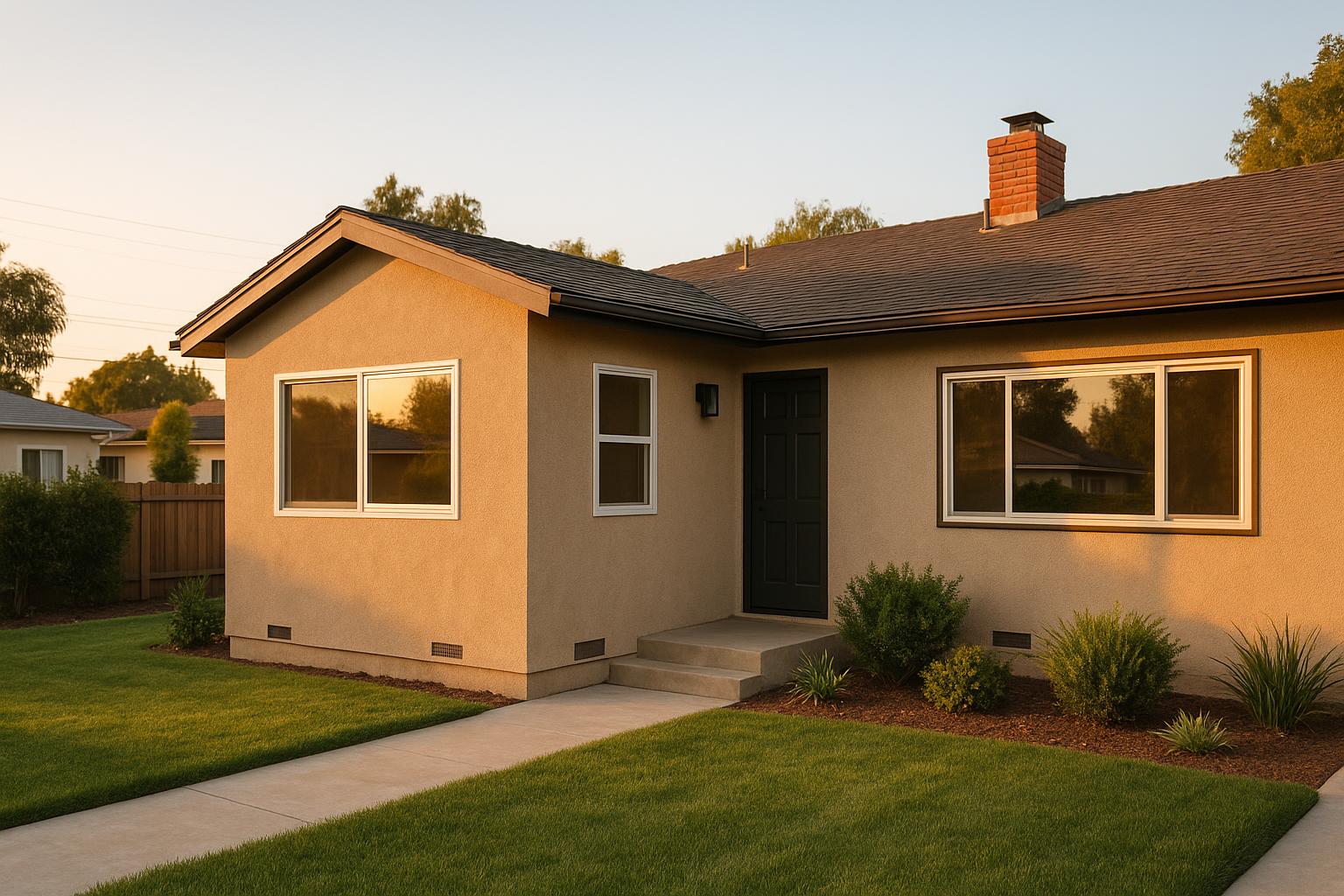
Why San Diego Homeowners Are Adding On Instead of Moving
San Diego's housing market has made moving a tough proposition for many families. Between high home prices, competitive bidding, and the hassle of uprooting your life, it's no wonder more homeowners are choosing to expand the homes they already love. A well-planned room addition lets you gain the space you need — whether it's an extra bedroom, a home office, or an expanded living area — without giving up the neighborhood, the schools, or the backyard your family has grown attached to.
But room additions are also one of the most complex remodeling projects you can take on. They involve structural engineering, foundation work, permits, and coordination across multiple trades. Without a clear plan, costs can spiral quickly. Here's how to approach your room addition the right way so you get the space you want without the financial surprises you don't.
Step 1: Define the Purpose of Your Addition
Before you think about square footage or finishes, get clear on why you need the addition. The purpose of the room will drive nearly every decision that follows, from layout and size to materials and mechanical requirements.
- Extra bedroom: You'll need to meet building code requirements for egress windows, closet space, and minimum room dimensions.
- Home office: Consider electrical needs for equipment, lighting, and possibly a separate HVAC zone for comfort during long work hours.
- Family room or living space: Think about how the new room connects to existing living areas. Flow and sightlines matter more than raw square footage.
- In-law suite or rental unit: If you're considering a space with its own bathroom or kitchenette, you may be looking at ADU regulations, which have their own permitting requirements in San Diego.
Having a clear purpose helps your contractor provide an accurate estimate and prevents scope creep — one of the biggest budget killers in any remodeling project.
Step 2: Understand San Diego's Permitting Process
Any room addition in the City of San Diego requires building permits, and depending on your neighborhood, you may also need to navigate zoning setbacks, height restrictions, and HOA guidelines. Skipping or underestimating the permitting process is a common mistake that leads to costly delays.
Here's what you should know:
- Setback requirements dictate how close your addition can be to property lines. These vary by zone and can significantly affect where you can build.
- Plan review timelines in San Diego can range from a few weeks to a couple of months, depending on the complexity of the project and current city workload.
- Engineering and structural plans are typically required and must be prepared by a licensed professional before permits are issued.
A reputable general contractor will handle the permitting process on your behalf, but it helps to understand the timeline so you can set realistic expectations for your project start date.
Step 3: Set a Realistic Budget (and Build in a Cushion)
Room additions in the San Diego area can range widely in cost depending on size, complexity, and finish level. A simple bedroom addition will cost significantly less than a space that requires plumbing, such as a bathroom or kitchenette. As a general rule, you should plan for:
- Foundation and structural work: This is often the most expensive single line item, especially if your lot has slope or soil challenges common in parts of San Diego.
- Mechanical systems: Extending HVAC, electrical, and plumbing to the new space adds cost that's easy to overlook in early planning.
- Finish materials: Flooring, paint, lighting, and trim may seem minor compared to structural work, but they add up quickly.
- Permits and engineering fees: Budget for these upfront so they don't feel like surprise expenses later.
We always recommend setting aside 10 to 15 percent of your total budget as a contingency fund. Even with thorough planning, older homes can reveal unexpected conditions once walls are opened or foundations are excavated. Having a cushion means those discoveries don't derail your project.
Step 4: Design for Integration, Not Just Addition
The best room additions don't look or feel like additions at all. They blend seamlessly with the existing home in terms of roofline, exterior materials, interior finishes, and floor height. Poor integration is one of the telltale signs of a rushed or poorly planned project, and it can actually hurt your home's resale value rather than help it.
Work with your contractor and, if possible, a designer to ensure:
- The new roofline complements the existing structure rather than creating an awkward junction.
- Exterior siding, stucco, or other materials match or intentionally contrast in a cohesive way.
- Interior flooring transitions are smooth and level between old and new spaces.
- The addition doesn't block natural light to existing rooms or create a choppy floor plan.
In neighborhoods across San Diego — from the mid-century homes in Clairemont to the Spanish-style houses in Bonita and Chula Vista — architectural context matters. A thoughtful design respects the character of both your home and your neighborhood.
Step 5: Choose the Right Contractor
A room addition isn't a weekend project or a simple cosmetic update. It's new construction attached to an existing structure, which means you need a general contractor with experience managing complex builds. Here's what to look for:
- Proper licensing: In California, any project over $500 requires a licensed contractor. For room additions, you want a General Building (B) license at minimum.
- Local experience: A contractor familiar with San Diego's permitting process, soil conditions, and building codes will save you time and headaches.
- Clear communication: You should receive a detailed scope of work, a written timeline, and a transparent breakdown of costs before any work begins.
- References and past work: Ask to see completed room additions, not just kitchen or bathroom remodels. The skill sets are different.
At Blackhawk General Contractors, we've guided homeowners throughout the San Diego area through room additions of all sizes. We handle everything from initial design consultation and engineering to permitting, construction, and final inspection — so you have one point of contact through the entire process.
The Bottom Line
A room addition is one of the most impactful improvements you can make to your home. It adds livable space, increases property value, and lets you stay in the community you love. But it requires more planning and expertise than most other remodeling projects.
If you're thinking about adding on to your home in San Diego, Chula Vista, Coronado, or the surrounding areas, the best first step is a conversation with a contractor who can walk your property, discuss your goals, and give you an honest assessment of what's possible within your budget. That's exactly what we do — no pressure, no surprises, just straightforward guidance from a team that builds things right.